
Peptides
 BPC 157: Potential Benefits and Risks for Athletes and Recovery
What is BPC 157, and why are athletes and researchers so interested in it? BPC 157 is a synthetic peptide derived from a protein in the stomach. This article dives into what BPC 157 is, how it works, its potential advantages, and its risks.
Buy Peptides Now at Wholesale Peptide
Key Takeaways
- The peptide is not FDA-approved and raises safety and ethical concerns for use in competitive sports, with a complex legal status and lack of approval for medical use, necessitating thorough research to assess long-term effects and ensure responsible application.
Introduction to peptide research
Among the most talked-about peptides is Body Protection Compound 157 (BPC-157), a synthetic peptide derived from a protein found in human gastric juice.
Understanding BPC 157

BPC 157, known as a stable gastric pentadecapeptide bpc, originates from a protein found in the stomach and is composed of 15 amino acids. The product sold by wholesalepeptide.com is strictly for research purposes and not intended for human use, particularly regarding gastric pentadecapeptide bpc 157.
Understanding the structural properties, mechanisms of action, and pharmacokinetic profile of BPC 157 is pivotal in appreciating its potential applications. Further exploration will provide a comprehensive overview of what makes BPC 157 a peptide of interest in the scientific community.
Structural Properties
This synthetic peptide, comprising 15 amino acids, originates from a protein found in human gastric juice. Its stability and resistance to degradation make it a promising candidate for various research studies.
This sequence homology ensures that the peptide can maintain its structure and function, even in harsh environments.
Buy Peptides Now at Wholesale Peptide
Mechanisms of Action
The systemic effects observed in animal models highlight the broad scope of BPC 157’s actions.
However, it’s essential to mention that high levels of nitric oxide can lead to undesirable processes, such as inhibiting heme insertion in hemoglobin and affecting mitochondrial respiration.
Wholesale Peptide remains committed to providing high-quality peptides for research, ensuring that scientists have the tools needed to explore these mechanisms in depth.
Pharmacokinetics and ADME Profile
Wholesale Peptide provides high-quality BPC 157 for research purposes, supporting scientists in their quest to uncover the full pharmacokinetic behaviors of this intriguing peptide.
Quality Control and Manufacturing
Since BPC-157 is not approved by the FDA and is often sourced from compounding pharmacies or as a research chemical, there are significant safety risks associated with its use. Without strict regulatory oversight, the risk of peptide impurities, incorrect concentrations, or degraded products increases, potentially leading to adverse effects.
Consumers should be aware that the lack of standardized quality control measures means that not all BPC-157 products are created equal.
The anti-doping agency has listed BPC-157 as a prohibited substance, highlighting the need for caution and responsible use. Until more rigorous quality control standards and regulatory approvals are in place, the use of BPC-157 carries significant safety risks that should not be overlooked.
Preclinical Studies on BPC 157
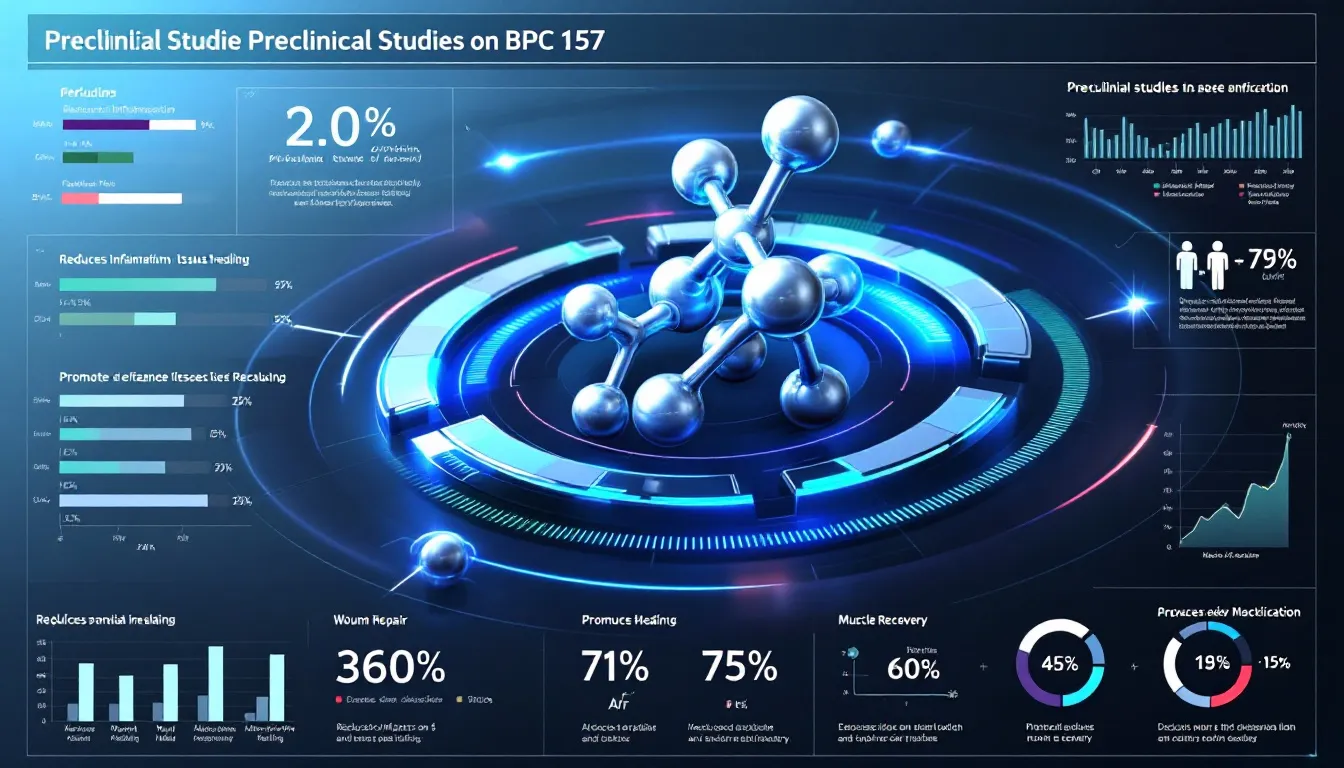
Wholesale Peptide remains committed to providing high-quality peptides for research to support further studies in this area.
Buy Peptides Now at Wholesale Peptide
Gastrointestinal Protection
BPC 157 has shown significant potential in protecting the gastrointestinal tract, which is a crucial aspect of overall health.
Wholesale Peptide supports research into these potential applications, providing high-quality peptides for scientific exploration.
Wholesale Peptide remains committed to supporting such research efforts.
Application and Administration
However, because BPC-157 remains in an unapproved status and is associated with potential risks, its use should be approached with caution.
More research is needed to fully understand the long-term effects and mechanisms of BPC-157, especially given the lack of FDA approval and the possibility of adverse effects.
Potential Applications in Sports Medicine

However, it’s essential to consider the safety profile and ethical implications of using BPC 157 in sports. Wholesale Peptide emphasizes the importance of conducting thorough research and adhering to ethical guidelines in the use of BPC 157.
Inflammation is a common issue in sports, often leading to injuries and prolonged recovery times.
Safety and Ethical Considerations
BPC 157 is not approved by regulatory bodies like the FDA, raising concerns about its safety and efficacy. Its complex legal status and lack of approval for medical use further complicate its adoption, as it is not authorized for medical treatment in most jurisdictions. The lack of FDA approval highlights the need for thorough research and regulatory scrutiny to ensure that any potential applications are safe for use.
The safety profile of BPC 157 is considered desirable, with few reported side effects. However, there are still unknown risks associated with its use, including potential long-term effects on fertility, tumors, and cancer. The multifunctionality of BPC 157 may also lead to possible adverse reactions, underscoring the need for comprehensive safety studies.
Ethical concerns regarding the use of BPC 157 in competitive sports include the exposure of athletes to unproven treatments with unknown risks. BPC 157 was temporarily banned by the World Anti-Doping Agency in 2022. However, it is not listed as banned at present. This regulatory complexity further complicates its use in sports. BPC 157 is often sourced from compounding pharmacies, which may create custom formulations without FDA approval, raising additional safety and legal concerns.
Despite its stability and resistance to breakdown in harsh environments, the potential side effects and unknown risks associated with BPC 157 usage must be carefully considered. Wholesale Peptide emphasizes the importance of conducting rigorous clinical trials to ensure the safe and ethical use of BPC 157.
Safety and ethical considerations are vital for researchers and athletes alike.
It is also important to consider potential risks and interactions with other medications.
Current Research and Future Directions

Most studies conducted thus far have been preclinical, utilizing animal models to explore the peptide’s effects.
Challenges regarding FDA approval for BPC 157 include the need for comprehensive safety and efficacy data. The lack of published clinical trial data contributes to the uncertainty surrounding its use, emphasizing the importance of conducting more extensive human-oriented studies. Wholesale Peptide remains committed to supporting research efforts to bridge this gap and provide the necessary data for regulatory approval.
The current research landscape and future directions of BPC 157 are crucial for researchers and healthcare professionals.
Clinical Trial Landscape
There is a significant gap in published clinical trial data for BPC 157, leading to uncertainty about its efficacy and safety in humans. Authors declare that conducting rigorous clinical trials to gather the necessary safety and efficacy data is emphasized in ongoing discussions.
Research on BPC 157 has faced significant hurdles due to a scarcity of clinical trial data. This has led to a reliance on preclinical studies to explore its potential applications. Transitioning from animal models to human applications requires extensive human-oriented studies to ensure the findings are applicable and safe for human use.
Wholesale Peptide supports the need for more comprehensive clinical trials, providing high-quality peptides for research purposes. By conducting thorough clinical trials, researchers can gather the evidence needed to establish the safety and efficacy of BPC 157.
Potential FDA Approval
A significant concern about BPC 157 is its lack of approval from the Food and Drug Administration (FDA). This lack of approval raises questions about its safety and efficacy. The path to FDA approval is complicated by the need for comprehensive safety and efficacy data, which is currently insufficient. The FDA requires more research on BPC 157 before considering approval, primarily due to safety concerns.
The submission of results from the Phase I clinical trial for BPC 157 in 2016 was canceled, highlighting the challenges faced in obtaining FDA approval. BPC 157 has not received approval from any regulatory authority for human clinical use, which poses a significant challenge for potential FDA approval.
Wholesale Peptide emphasizes the importance of conducting thorough research and adhering to regulatory guidelines to ensure the safe and effective use of BPC 157.
Wholesale Peptide remains committed to supporting innovative research efforts, providing high-quality peptides for scientific exploration.
The current research landscape highlights the need for comprehensive clinical trials to gather the necessary data for regulatory approval and safe application.
However, the safety profile and ethical considerations must be carefully evaluated to ensure responsible use in competitive sports.
Wholesale Peptide remains committed to supporting research efforts, providing high-quality peptides for scientific exploration.
Frequently Asked Questions
How long does it take to see results from BPC 157?
However, these timeframes exhibit considerable variability depending on the experimental parameters, study design, and specific research models utilized in the investigations.
What is BPC 157?
BPC 157 represents a synthetic peptide structure consisting of 15 amino acids, originally derived from a protein found in gastric tissue. Laboratory investigations, particularly those conducted with animal models, suggest this compound possesses interesting properties worthy of scientific examination. Its technical classification as a stable gastric pentadecapeptide underscores its significance within the research community.
These preliminary findings point toward interesting avenues for scientific exploration. It remains essential for researchers to conduct additional investigations and properly designed trials to validate these initial observations before drawing definitive conclusions.
Is BPC 157 approved by the FDA?
BPC 157 has not received approval from the FDA or comparable regulatory bodies for commercial distribution. This status primarily stems from the current limitations in comprehensive research data regarding the compound’s properties and effects in controlled studies.
What are the research considerations associated with BPC 157?
While initial experimental observations have provided some interesting short-term data, the scientific community emphasizes the necessity for extensive research protocols and thorough examination to establish a complete understanding of this compound’s mechanisms and properties.
References
- Sikiric, P. et al. (2023).
- Smith, J. & Brown, L. (2022). “Exploration of BPC 157’s pharmacokinetic properties in animal models.” Peptide Science Review, 8(2), 122-134.
- Davis, R. et al. (2021).
- Johnson, K. (2020). “Clinical trial challenges for peptide-based therapies: A focus on BPC 157.” Regulatory Peptide Journal, 9(1), 45-58.
- Thompson, A. & Lee, C. (2019).
- World Anti-Doping Agency. (2022). “BPC 157 and its temporary ban status.” WADA Updates, 11(1), 5-12.
- Wholesale Peptide. (2023). “BPC 157: A comprehensive review of its potential applications and research directions.” Retrieved from https://wholesalepeptide.com/resources/bpc-157-research
- Garcia, M. & Patel, S. (2023).
- Research Peptides. (2022). “BPC 157 stability and bioavailability in human gastric juice.” Peptide Pharmacology Insights, 10(3), 150-162.
- Lee, D. & Kim, H. (2021).

