
Peptides
 GH Peptides: Benefits, Uses, and Safety Explained
All products discussed on this page are sold strictly for laboratory and in-vitro research use only (RUO). They are not drugs, dietary supplements, or cosmetics, are not intended for human or animal consumption, and are not intended to diagnose, treat, cure, or prevent any disease. This content is for educational and research-literature reference purposes only and does not constitute medical or usage advice.

Key Takeaways
Understanding GH Peptides

The magic of GH peptides lies in their interaction with specific receptors in the body. This process can happen either directly on the pituitary cells or indirectly through the hypothalamus.
This approach contrasts sharply with synthetic HGH injections, which can sometimes suppress the body’s natural hormone production.
This distinction is crucial for understanding why GH peptides are considered a promising area of research.
GH peptides embody a fascinating blend of science and nature. As we move forward, we will explore the different types of GH peptides and their specific roles in this intricate dance of hormones.
Types of GH Peptides
Each peptide has unique properties and mechanisms of action, making them suitable for different research applications.
Sermorelin is one of the well-known GH peptides. It is a synthetic version of the first 29 amino acids of growth hormone-releasing hormone (GHRH).
CJC-1295 is another peptide that stands out due to its extended duration of action.
Understanding the unique properties and applications of each peptide allows researchers to better harness their power for targeted studies.
How GH Peptides Work in the Pituitary Gland
When GH peptides like Sermorelin bind to these receptors, they trigger the release of HGH, a crucial hormone responsible for growth and development.
HGH production is regulated by a delicate balance of feedback mechanisms. Additionally, ghrelin, a hormone influenced by nutritional factors, also plays a role in stimulating HGH secretion. This complex interplay ensures that HGH levels are maintained within optimal ranges, adapting to the body’s needs.
The effects of HGH are twofold: direct and indirect.
Understanding these mechanisms is crucial for appreciating how GH peptides can be used to modulate HGH production.
In essence, the workings of GH peptides are a testament to the body’s remarkable ability to regulate its own functions. By tapping into these natural processes, GH peptides open up new avenues for research and potential treatments.
This therapy is crucial for maintaining a youthful appearance and ensuring healthy bodily functions.
As we age, starting around the age of thirty, our HGH levels begin to decline.

These short chains of amino acids, the building blocks of peptides and proteins, exist naturally in the body. They can also be found in animal or plant sources of protein, and manufacturers can isolate them from these natural sources or produce them artificially.
Peptides can be administered orally or injected directly into the body, where they engage with and activate various receptors.
Comparing GH Peptides to Synthetic HGH
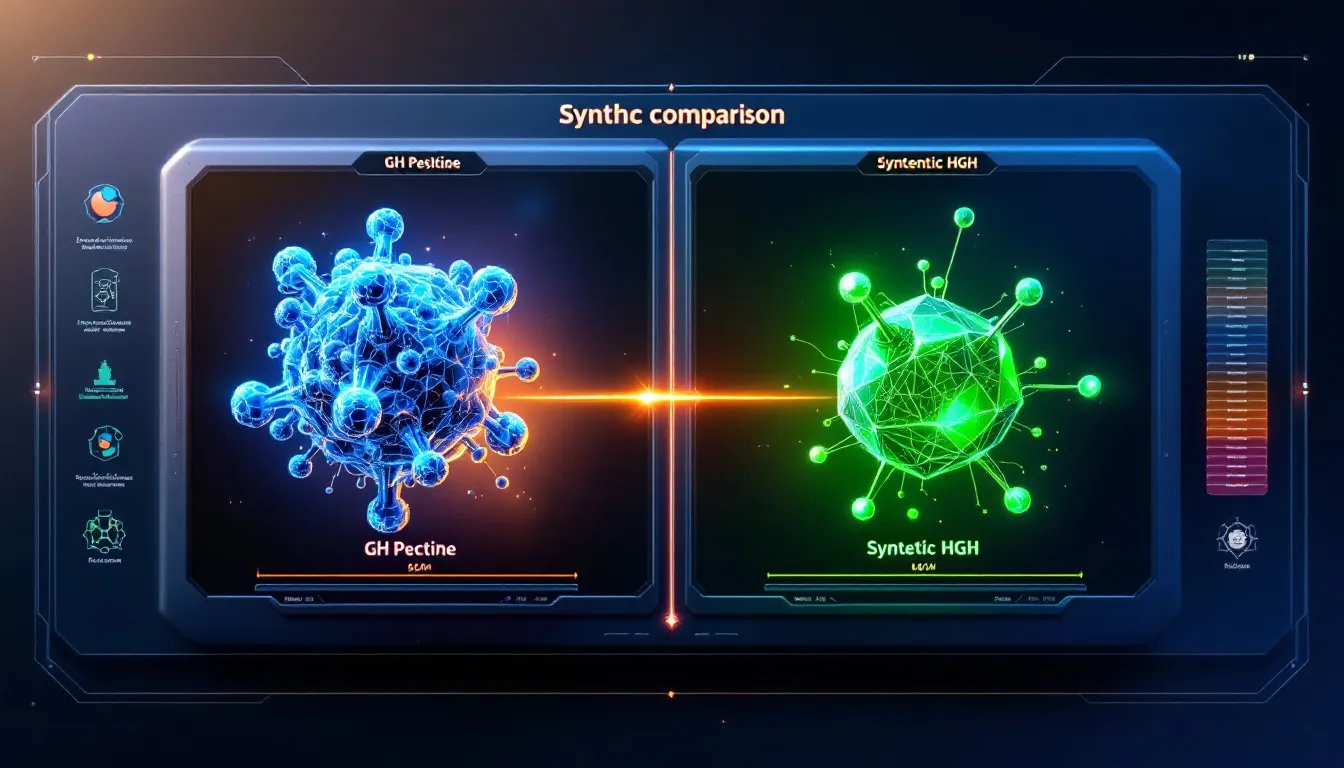
When comparing GH peptides to synthetic human growth hormones (HGH), the differences are significant and noteworthy. This distinction is crucial for understanding the potential advantages of GH peptides.
Synthetic HGH, on the other hand, can lead to dependency by suppressing the body’s natural hormone production, creating a cycle of reliance that can be challenging to break.
Moreover, GH peptides incur negligible side effects, making them a safer and more attractive option for research.
While GH peptides hold significant promise, their safety and potential side effects must be carefully considered.
Common adverse effects associated with GH peptide use can include:
-
Swelling in limbs
-
Joint pain
-
Muscle aches
-
Joint discomfort
-
Fluid retention
In some cases, GH peptide research can also impact the immune system, potentially leading to changes in immune response.
In certain cases, GH peptide research can lead to a condition known as carpal tunnel syndrome, characterized by tingling and numbness in the hands.
There are also potential risks associated with GH peptide research, such as elevated blood sugar levels and an increased possibility of type 2 diabetes. Long-term use of GH peptides may carry an elevated risk of cancer, underscoring the importance of careful monitoring and regulated use.
Cost and Insurance Coverage of GH peptide research
The cost of GH peptide research can vary widely depending on the type of peptide used and the duration of treatment. On average, patients can expect to pay between $500 and $2,000 per month for GH peptide research. Unfortunately, insurance coverage for this type of therapy is limited, and most insurance plans do not cover the cost of peptide research.
It is essential to check with your insurance provider to determine if they cover the cost of GH peptide research for your particular situation. Additionally, some clinics and medical spas may offer financing options or package deals to make GH peptide research more affordable.
While the cost may seem high, GH peptide research is a long-term investment in your health and well-being.
Monitoring and Testing HGH Levels
HGH levels can be measured through a blood test, typically conducted in the morning when HGH levels are at their highest. The test results will show the level of HGH in the blood, providing valuable information on whether GH peptide research is working as intended.
Working with a healthcare professional to monitor and test HGH levels regularly is crucial. It also helps identify any potential side effects or complications early on, allowing for timely intervention.
In summary, regular monitoring and testing of HGH levels are integral to the success of GH peptide research.
Current Research and Future Directions
Over 170 peptide candidates are currently undergoing active clinical trials, reflecting a broad expansion in peptide drug development.
This personalized approach could revolutionize the way hormone therapies are developed and administered.
The continued exploration of GH peptides promises to unlock new insights and potential applications, paving the way for innovative treatments in the years to come.
Summary
The journey of GH peptides is just beginning, and the possibilities are as exciting as they are promising.
Frequently Asked Questions
What are GH peptides?
How do GH peptides differ from synthetic HGH?
Are there any side effects associated with GH peptide research?
GH peptide research can lead to side effects such as swelling in limbs, joint pain, muscle aches, and fluid retention. Additionally, there are potential risks including elevated blood sugar levels and an increased risk of cancer with prolonged use.
What does current research say about GH peptides?
This progress highlights the promising future of GH peptides in medical treatments.

